Hair changes with age, and so does skin, hearing, balance, and patience for a long wait in a loud room. None of that is a problem for a haircut. It just changes what a good appointment looks like, and what a good style choice is, for older men in Charlotte who still want to leave the shop looking like themselves, only tidier.
At Gillespie Barber & Stylist, classic cuts are core work, and classic styles suit this stage of life well. They are forgiving of thinner hair, they grow out evenly, and they do not depend on heavy product or daily styling skill. The comparison below sets out the real options plainly.
What actually changes
Hair usually gets finer and thinner on top, and the gray that replaces pigment is often wirier in texture, so it can stick out where darker hair used to lie flat. Skin gets thinner too, including on the scalp and neck, which means nicks happen more easily and clipper pressure that felt like nothing at thirty can feel rough at seventy. Hearing aids, glasses, and slower movement in and out of the chair are all normal logistics a barber should handle without fuss.
None of this calls for a special category of haircut. It calls for a slightly slower appointment, an honest conversation about texture, and a style chosen for the hair that is actually there.
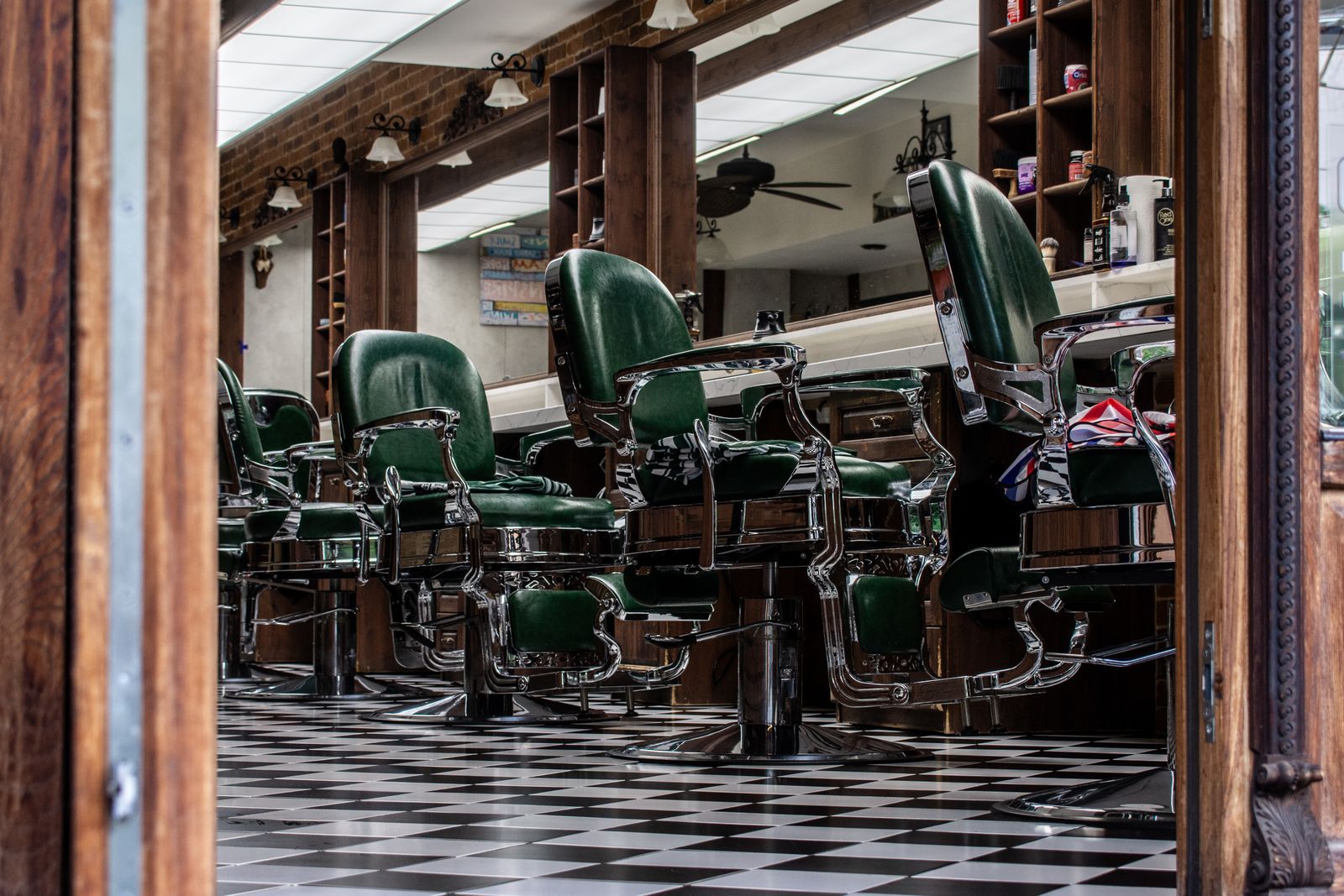
The main style options, side by side
| Style | How it is cut | Best for | Upkeep |
|---|---|---|---|
| Classic scissor cut | Scissors throughout, tapered by hand at the sides and back | Thinning hair that needs softness and no harsh lines | Trim every 5 to 7 weeks; grows out evenly |
| Short clipper cut | One or two guard lengths, blended at the edges | Men who want the simplest possible routine | Trim every 4 to 6 weeks; very even grow-out |
| Buzz cut | One guard length all over | Very thin coverage, or a deliberate low-effort choice | Every 3 to 4 weeks to stay even |
| Longer top, combed back | Length left on top, shorter neat sides | Men with good coverage who wear a part or sweep it back | Trim every 5 to 6 weeks; needs a comb each morning |
The pattern in the table is simple. Scissor work is gentler on thin hair and thin skin than very close clipper work, and it hides uneven density better because nothing is taken down to a uniform shortness that shows every difference. Clippers are not off the table, but the guard should rarely go as short as it did decades ago.
Comfort in the chair
A good senior appointment starts before the cape goes on. Say if you wear hearing aids and if you want them out during the cut, hand over glasses rather than having them sit where clippings collect, and ask for a moment to get settled in the chair. Barbers would rather know about a stiff neck, a recent surgery, or a spot on the scalp that should be left alone than discover it mid-cut.
Quieter times of day help too. Mid-morning on a weekday is usually calmer than a Saturday, conversation is easier to hear, and nobody is rushing the chair. If standing at the counter or a step up to the chair is a concern, it is reasonable to ask about it when you book. A steady barber will also check in about water temperature and towel heat during a shave, because thinner skin feels heat more.
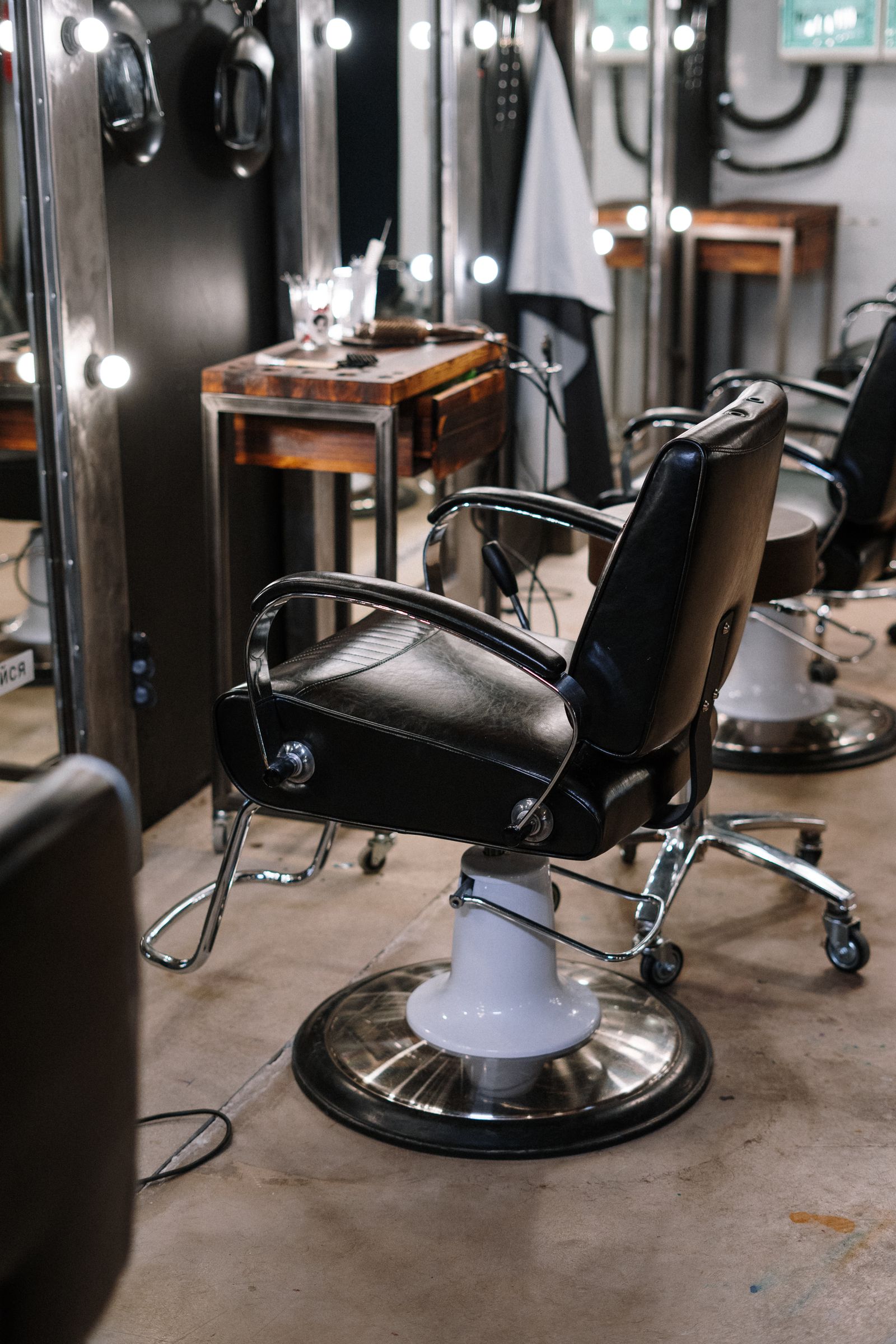
Skin, scalp, and the shave question
Thinner skin bleeds more easily from small nicks and can stay irritated longer, so a straight-razor finish should be a considered choice, not a default. A hot towel shave done gently, with no pressure chasing an impossibly close result, suits most older skin fine. At home, the same principle applies: fewer passes, a sharp blade, and moisturizer afterward. New moles, spots that bleed, or patches that do not heal are a conversation for a doctor, and a barber who notices one and mentions it quietly is doing you a favor.
Dry scalp is common and often mistaken for dandruff. If flakes come with an itchy, oily scalp it may be dandruff; if the scalp is simply dry and tight, a gentle shampoo used less often and a light scalp moisturizer usually helps more than scrubbing harder.
Keeping it easy at home
The right cut should need almost nothing at home: a comb, damp hands, and maybe a small amount of light cream if wiry gray hair wants to stand up. If a style needs more than that, it is the wrong style for this stage. Book the next trim before you leave while the interval is fresh in mind, and the whole routine stays on rails.
Common questions
Are scissor cuts better than clippers for older men?
Often, yes. Scissor cuts are softer on thinning hair and thinner skin, hide uneven density better, and grow out more gracefully between visits.
How often should a senior cut be trimmed?
Most classic styles hold for five to seven weeks. Because they grow out evenly, there is no harm in stretching a little longer when life gets in the way.
Is a hot towel shave safe on thinner skin?
Generally yes, when it is done gently with light pressure and good heat checks. Mention any blood thinners or easily irritated skin so the barber can adjust.
Photos in this guide are representative stock images.
← All guides from Gillespie Barber & Stylist← Back to Gillespie Barber & Stylist