Curly hair gets bad haircuts for one main reason: it gets treated like straight hair that happens to be wavy. Cut wet, stretched out, and measured like straight hair, curls spring back shorter than planned, dry into a different shape than the one in the mirror, and frizz in Charlotte humidity by the second day. The fix is not complicated, but it is different.
This is a troubleshooting guide. Each problem below starts with what you see, works out why it happens, and ends with what you can fix at home and what belongs in the chair at a shop like Gillespie Barber & Stylist.
Problem: the cut comes out much shorter than expected
The cause is shrinkage. Curly hair pulled straight during cutting can spring back by a large share of its length when it dries, and tighter curl patterns shrink the most. Hair that looked like three inches wet can sit like two inches dry, and the sides can end up tighter than anyone intended.
The fix is in the chair. Curly hair should be cut with shrinkage assumed, often cut dry or only lightly damp so the barber sees the real curl pattern and length as you wear it. At home, the fix is patience: ask for less off than you think you want. You can always take more off at the next visit; you cannot put length back.
Problem: frizz by midday, every day
Frizz is mostly dry hair reaching for moisture in humid air, and Charlotte summers give it plenty to reach for. Curly hair is naturally drier than straight hair because oils from the scalp travel slowly down a curved strand. Daily shampooing makes it worse by stripping what oil there is.
Work through these steps in order:
- Wash less often. Two to three shampoos a week is plenty for most curly hair; rinse with water or use conditioner alone on other days.
- Condition every wash and leave a small amount in. Conditioner is the main frizz control curly hair has, not an optional extra.
- Apply product to wet hair, not dry. A light cream or leave-in worked through damp curls sets the pattern before frizz starts.
- Stop rubbing with a bath towel. Blot or squeeze with a soft cotton shirt instead; rough toweling breaks up curls and roughs the surface.
- Hands off while it dries. Touching and raking at drying curls separates them into frizz. Let them set, then adjust once.
- If frizz persists, ask the barber about the cut itself. Blunt, damaged, or overdue ends frizz no matter what product you use, and a trim may be the real fix.
Problem: flat on top, wide at the sides
This triangle shape comes from weight in the wrong places. When the sides grow out at the same length as the top, curls push outward at ear level while the top gets weighed down. It is a shape problem, not a product problem. The fix is a cut that takes bulk from the sides, keeps considered length on top, and is shaped around your curl pattern rather than against it. Between cuts, avoid heavy waxes on the sides; they separate curls and make the width look stringy instead of full.
Problem: it only looks right on haircut day
Usually the barber styled it with a method nobody showed you. Ask before you leave: what product, how much, on wet or dry hair, and in what order. Write it down if you need to. The other common cause is a cut that depends on being very fresh. Curly hair is generally cut less often than straight styles, often every six to ten weeks, because it grows outward as much as downward and hides small unevenness well. If yours collapses at week three, the cut may be too precise a shape for the hair wearing it.
When it is a chair problem, not a home problem
Bring it to a barber when the shape is wrong even right after careful styling, when one side consistently behaves differently because of a growth pattern, or when the ends feel rough and tangle no matter how much conditioner you use. Split and damaged ends travel upward if they are left, and no routine fixes them. Everything else on this page, the washing, conditioning, and drying, is home work that costs nothing but consistency.
Common questions
Should curly hair be cut wet or dry?
Dry or lightly damp cutting usually gives a truer result, because the barber can see the actual curl pattern, length, and shrinkage as you wear it.
How often do men with curly hair need a haircut?
Often every six to ten weeks, less frequently than most straight styles. Curly hair grows outward as well as down, so it holds its shape longer between cuts.
Why does my curly hair frizz so much in summer?
Dry curls absorb moisture from humid air and swell unevenly. Conditioning well, washing less often, and applying product to wet hair are the main controls.
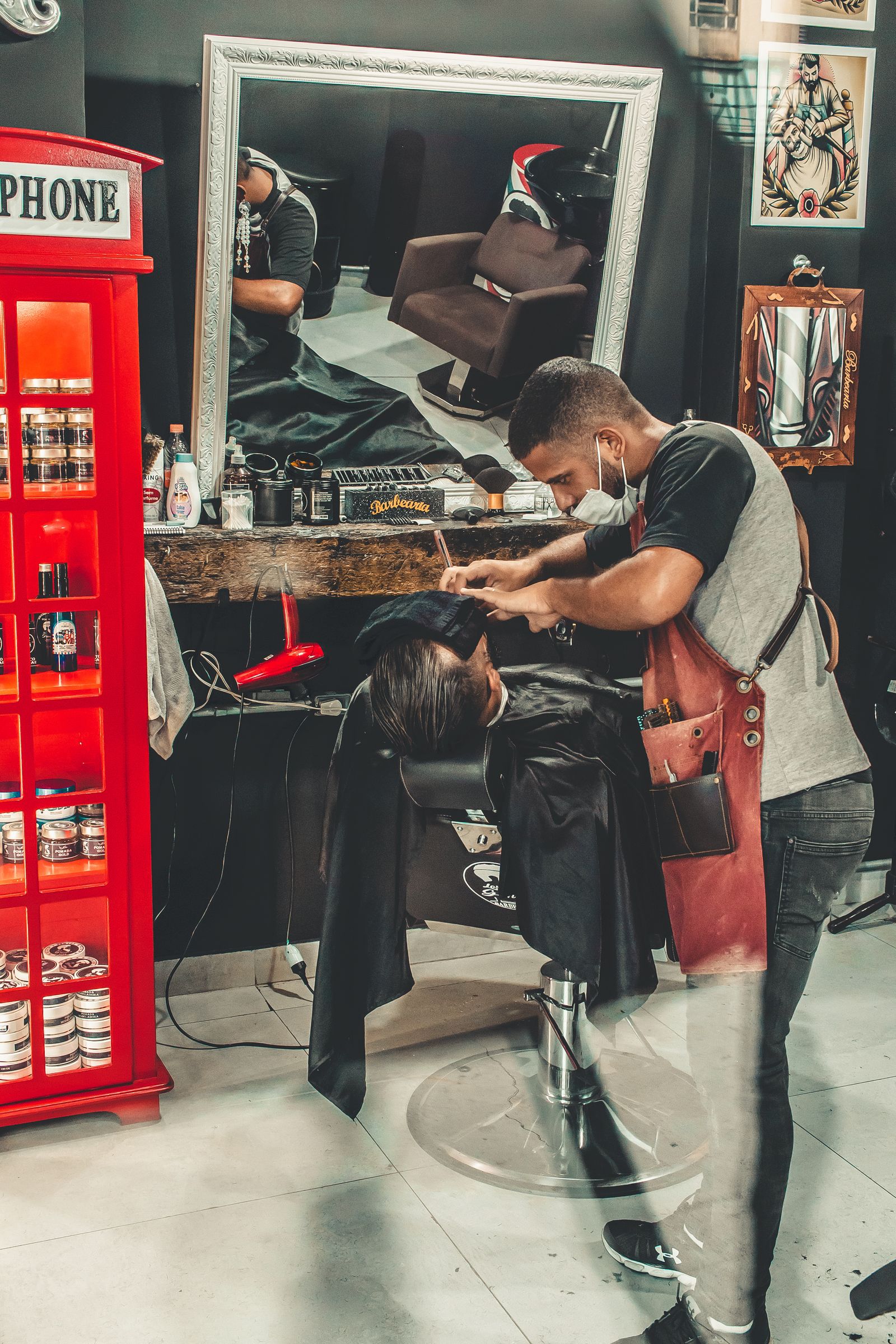
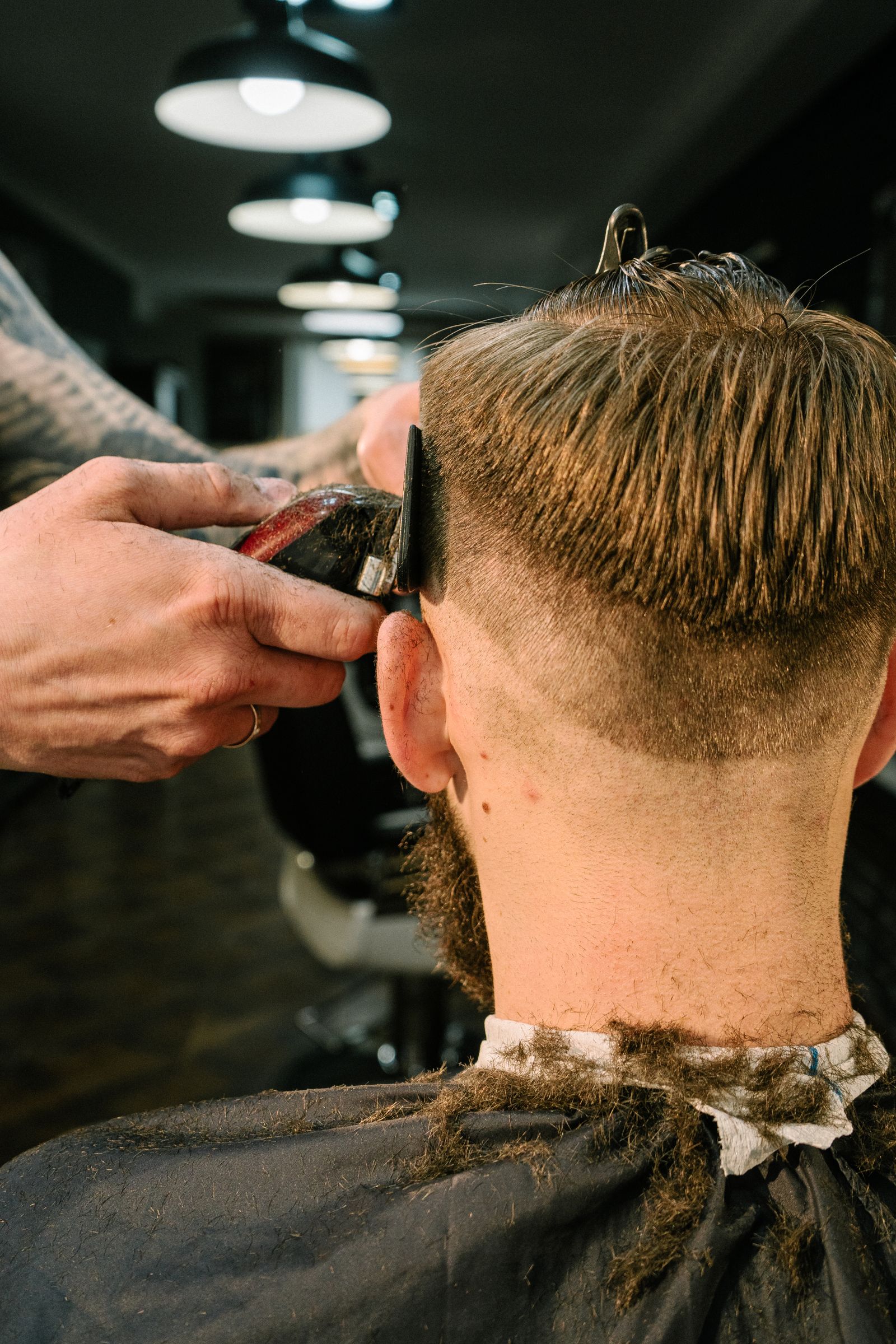
Photos in this guide are representative stock images.
← All guides from Gillespie Barber & Stylist← Back to Gillespie Barber & Stylist